Fight Free Radicals: Top Vitamin E Foods for Cellular Health
In the vast landscape of essential nutrients, vitamins C and D often dominate the conversation, celebrated for their critical roles in immune function and overall wellness. Yet, there's another powerhouse vitamin, a quiet guardian of our cells, that deserves equal recognition: Vitamin E. Often found in skincare products and hailed for its beauty benefits, this formidable antioxidant plays a far more profound role within your body, actively protecting your cellular health from the insidious threat of free radicals. Understanding the importance of Vitamin E Power: Foods for Healthy Skin, Hair, and Immunity is key to harnessing its protective properties.
Far from just a beauty aid, Vitamin E is a fat-soluble nutrient, meaning it requires fat for proper absorption, and it's primarily celebrated as a potent antioxidant. Its mission? To combat free radicals – unstable compounds that, when present in excessive amounts, can inflict significant damage on your cells. The body naturally produces free radicals through normal metabolic processes, but external factors like environmental pollution, UV radiation, and even certain lifestyle choices can escalate their formation. This build-up leads to oxidative stress, a detrimental process linked to numerous chronic conditions, including heart disease, cancer, and premature aging. This is precisely where Vitamin E foods step in, acting as a crucial defense mechanism.
The Silent Battle: Understanding Free Radicals and Oxidative Stress
Imagine your body's cells as tiny, intricate machines. Free radicals are like rogue sparks, capable of disrupting these machines. They are atoms or molecules with an unpaired electron, making them highly reactive and eager to "steal" an electron from another molecule, thereby causing damage. When this damage accumulates faster than your body can repair it, oxidative stress occurs.
Oxidative stress is not just a scientific term; it's a fundamental contributor to the aging process and the development of serious health issues. It can harm DNA, proteins, and crucial cell membranes, compromising cellular integrity and function. This cellular injury is a root cause of inflammation and has been implicated in everything from neurodegenerative diseases to a weakened immune response.
Antioxidants like Vitamin E are our body's heroes in this battle. They work by generously donating an electron to stabilize free radicals, effectively neutralizing them and rendering them harmless. This protective action safeguards your cells from oxidative damage, preserving their structure and ensuring their optimal function. Vitamin E is particularly adept at protecting cell membranes, which are vital for cell communication and nutrient transport.
Beyond Protection: The Multifaceted Benefits of Vitamin E
While its antioxidant prowess is paramount, Vitamin E offers a spectrum of benefits that extend far beyond simply fighting free radicals:
- Skin Health: Vitamin E is renowned for its positive impact on the skin. It helps maintain collagen levels, the primary structural protein responsible for skin elasticity and firmness. By protecting skin cells from oxidative damage, it can contribute to a more youthful appearance and aid in the repair of skin exposed to environmental stressors.
- Hair Growth and Health: Just as it supports skin, Vitamin E contributes to a healthy scalp and can encourage hair growth by improving blood circulation to the follicles and protecting them from damage.
- Robust Immune Function: A well-functioning immune system is crucial for fending off infections and diseases. Vitamin E supports various aspects of immune health, helping immune cells communicate effectively and respond appropriately to threats.
- Enhanced Blood Flow: This vital nutrient is also involved in promoting proper blood circulation, which is essential for delivering oxygen and nutrients throughout the body and removing waste products. This contributes to overall cardiovascular health.
- Cellular Integrity: By guarding the lipid layers of cell membranes, Vitamin E ensures that cells maintain their structure and can perform their specific functions efficiently.
Fueling Your Body: Top Vitamin E Foods for Optimal Health
The good news is that reaching the daily recommended amount of 15 milligrams (mg) of Vitamin E is entirely achievable through a balanced diet. Since your body cannot produce Vitamin E on its own, consistent dietary intake is essential. Here's Your Guide to 15mg of Vitamin E: Foods for Daily Wellness, highlighting some of the best sources:
Wheat Germ Oil: The Unsung Hero
When it comes to concentrated sources of Vitamin E, wheat germ oil stands head and shoulders above the rest. Derived from the tiny, nutrient-rich embryo of the wheat kernel, just one tablespoon can provide over 20 mg of Vitamin E – more than your entire daily value! Beyond Vitamin E, it also boasts beneficial fatty acids, carotenoids, and polyphenols. Given its delicate nature, it's best used in salad dressings, drizzled over steamed vegetables, or added to smoothies, rather than heated to high temperatures which can degrade its nutrients.
Almighty Almonds & Hearty Hazelnuts
Nuts are nutritional powerhouses, and almonds and hazelnuts are particularly rich in Vitamin E. They are also fantastic sources of dietary fiber and heart-healthy mono- and polyunsaturated fats, which incidentally aid in Vitamin E absorption. A handful of almonds (about 23 nuts) provides around 7.3 mg of Vitamin E, making them an excellent snack or addition to meals. Hazelnuts follow closely behind, offering similar benefits. Incorporate them into your oatmeal, yogurt, salads, or enjoy them as a satisfying snack.
Glorious Avocados
These creamy, green fruits are not just delicious; they're packed with healthy fats and a significant amount of Vitamin E. A 100-gram serving of avocado (about half a medium avocado) offers over 4 mg of Vitamin E. Their healthy fats make them an ideal food for ensuring optimal absorption of this fat-soluble vitamin. Enjoy them in guacamole, sliced into salads, on toast, or blended into smoothies.
Sunflower Seeds & Oil
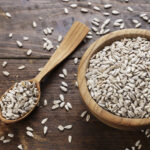
Often overlooked, sunflower seeds are a fantastic source of Vitamin E. Just a quarter-cup serving can provide more than 7 mg of Vitamin E. They are also rich in magnesium, selenium, and fiber. Sunflower oil, while not as potent as wheat germ oil, still contributes a good amount of Vitamin E, especially in cold-pressed varieties. Sprinkle the seeds over salads, stir-fries, or enjoy them roasted as a snack.
Leafy Greens & Other Vegetables
Don't forget your greens! Spinach, broccoli, and other dark leafy vegetables contain modest but meaningful amounts of Vitamin E, along with a host of other vitamins, minerals, and antioxidants. While you'd need to eat a larger quantity to match the E content of nuts or oils, these vegetables are crucial for a well-rounded diet. Lightly steaming or sautéing them with a little healthy fat (like olive oil) can enhance both nutrient availability and absorption.
Plant Oils (Beyond Wheat Germ)
While wheat germ oil leads the pack, other vegetable oils like olive oil, safflower oil, and corn oil also contribute Vitamin E to your diet. Opt for cold-pressed, extra virgin varieties when possible, as they retain more nutrients. Use them in dressings, for light cooking, or as finishing oils.
Practical Strategies to Elevate Your Vitamin E Intake
Incorporating more Vitamin E foods into your daily routine is simpler than you might think:
- Start Your Day Strong: Add a tablespoon of wheat germ oil to your morning smoothie or drizzle it over oatmeal. Top your yogurt or cereal with a handful of almonds or sunflower seeds.
- Lunchtime Boost: Make your salads more nutritious by adding sliced avocado, a sprinkle of nuts or seeds, and a homemade dressing made with a Vitamin E-rich oil.
- Smart Snacking: Keep a small bag of mixed nuts and seeds handy for a convenient and healthy Vitamin E-packed snack.
- Dinner Enhancements: Sauté your leafy greens like spinach or kale with a bit of olive oil. Add chopped broccoli to stir-fries or roasted vegetables.
- Creative Combos: Blend avocados into creamy sauces or dips. Make homemade nut butters for sandwiches or apple slices.
Remember, the synergy of nutrients in whole foods is always superior to isolated supplements, unless a deficiency is diagnosed by a healthcare professional. By focusing on a diverse intake of these natural sources, you ensure your body receives not just Vitamin E, but a symphony of beneficial compounds working together for your health.
Conclusion
Vitamin E, the often-unsung hero, is an indispensable nutrient in our quest for optimal health and longevity. Its powerful antioxidant properties provide a critical defense against free radicals and oxidative stress, protecting our cells from damage and supporting a multitude of bodily functions from immune strength to vibrant skin and hair. By consciously including a variety of Vitamin E foods in your daily diet, such as wheat germ oil, almonds, avocados, and sunflower seeds, you empower your body with the tools it needs to thrive. Make these nourishing choices a cornerstone of your diet, and give your cells the protection they deserve for a healthier, more resilient you.